
Feb
Mda Edibles Canada | Buy Mdma
The Evolution of MDMA and in the realm of youth culture, music, emotion, and imagination, a revolution took place in 1975 when two undergraduates, Carl Resnikoff and Judith Gipson, embarked on a ferry ride to Sausalito, a city located north of the Golden Gate Bridge. Little did they know that their decision to take capsules filled with MDMA powder would mark the first documented instance of . This momentous event set off a chain reaction that would shape the history, culture, politics, and science of MDMA. As Rachel Nuwer explores in her book “I Feel Love: MDMA and the Quest for Connection in a Fractured World,” MDMA is on the path to following in the footsteps of cannabis, transitioning from countercultural token to mainstream acceptance. In this article, we will delve into the evolution of MDMA, from its origins in scientific research to its popularity in underground raves, and its potential as a therapeutic tool.
The Birth of MDMA: From Merck to MKUltra
The story of MDMA begins with its creation by the German pharmaceutical company Merck. In 1912, Merck filed a patent for methylsafrylamin, intending to develop it as a blood-clotting drug. However, the compound’s potential as an energy supplement for fighter pilots was explored in the late 1950s. This caught the attention of CIA agents working on MKUltra, an illegal and secretive human experimentation program. While most people associate MKUltra with the Bits & Spurs MDA, a close relative of MDMA, was also utilized. Tragically, the use of MDA in army experiments resulted in the death of Harold Blauer, a former tennis player, who had checked into a Manhattan hospital for depression in 1952. The incident exposed the dangerous consequences of these experiments and led to the Women's under the Controlled Substances Act of 1971.
The Rise of MDMA in Underground Raves | Raves to Therapeutic Potential
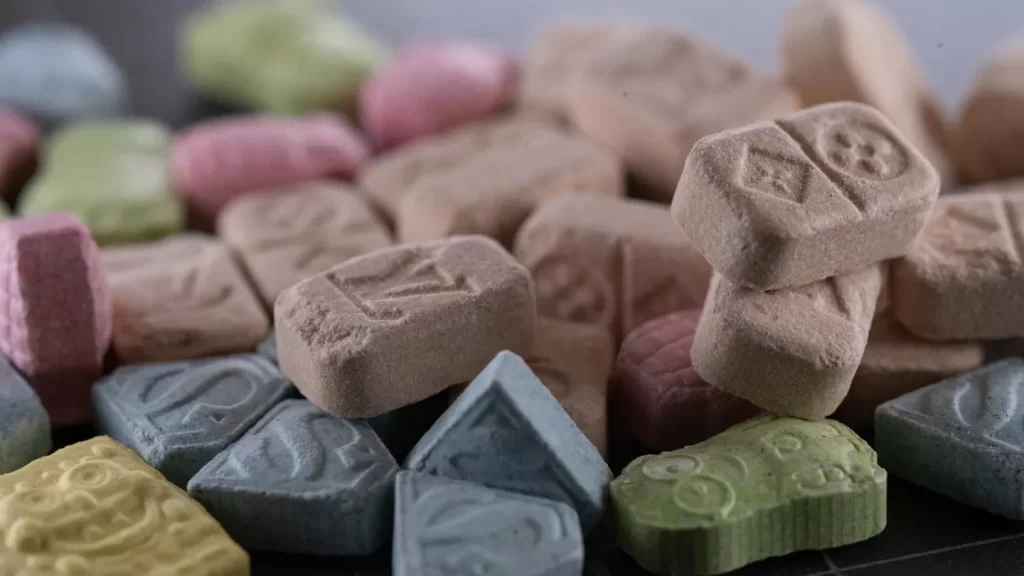
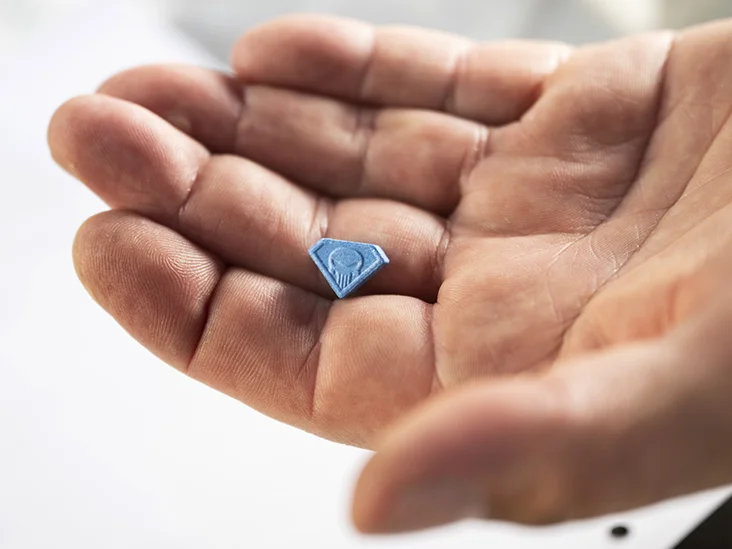
While the early 1970s saw the production of MDMA by chemists in Indiana, Chicago, and New York, its popularity exploded in the 1980s and 1990s with the emergence of underground rave culture. One of the iconic venues of this era was the Starck Club in Dallas, Texas. On its opening night, ecstasy pills were distributed, and the club soon became a hub of MDMA-fueled parties. The Starck Club offered a unique environment that embraced diversity and love, where individuals from all walks of life could come together and experience the euphoria induced by MDMA. This new form of partying, characterized by its emphasis on connection rather than aggression, challenged social norms and brought people from different socioeconomic backgrounds together.
MDMA and Subcultures: From Mormons to Hip-Hop
The influence of MDMA extended beyond the confines of rave culture. Surprisingly, even members of the Mormon faith were drawn to the drug. Despite the Church of Jesus Christ of Latter-day Saints’ strict prohibition of alcohol, a Mormon doctoral student revealed in 2003 that he and his friends had used MDMA extensively. This group of Mormon ravers pushed the boundaries of their faith, believing that trying MDMA was acceptable as long as they abstained from alcohol. Their involvement in MDMA research provided valuable insights into the effects of the drug, as they served as a control group free from the influence of other substances.
The Evolution of MDMA also found its way into the world of hip-hop music and culture. Associate Professor Khary Rigg conducted a study on Black heterosexual MDMA users in south Florida, recruited outside of clubs. His research revealed that 82% of participants tried MDMA after hearing references to it in hip-hop songs. While the data on MDMA use primarily focused on white individuals, Rigg sought to explore its significance within the Black community. The lyrics of artists like Jay-Z, Kanye West, and Lil Wayne often depicted MDMA use in the context of partying and indulgence. These references served as a source of curiosity and reassurance for Black individuals considering trying the drug.
The Controversies and Misconceptions Surrounding MDMA
Over the years, MDMA has faced numerous controversies and misconceptions that have shaped public perception. Sensationalist media coverage demonized the drug, contributing to moral panics and overlooking important factors that made it dangerous. Fatalities associated with MDMA were often attributed solely to the drug itself, rather than considering other contributing factors such as dehydration or the combination of MDMA with other substances. One significant blow to MDMA’s reputation came in 2002 when a paper published in Science claimed that the drug caused permanent brain damage in monkeys and baboons. However, this paper was later retracted after it was revealed that the scientists had mistakenly used crystal meth instead of MDMA.
The Future of MDMA: From Recreation to Therapy
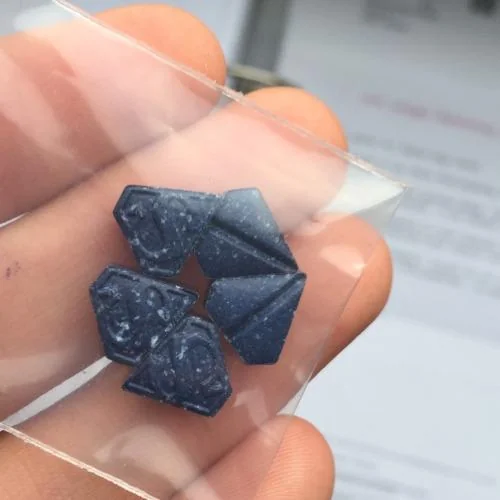
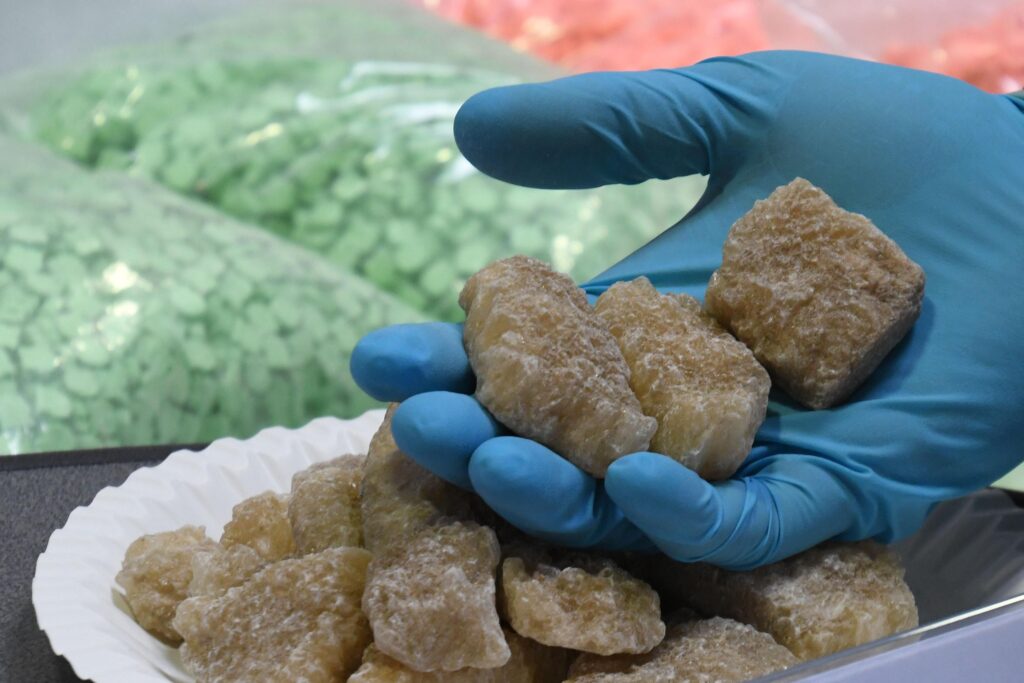
As the therapeutic potential of MDMA gains recognition, it is following a trajectory similar to that of cannabis. Nuwer believes that MDMA will first become legal for medicinal use, followed by decriminalization, and potentially full legalization for all types of use. Three clinical trials have already shown promising results in using MDMA to accelerate the recovery of PTSD, with FDA approval for therapeutic use expected as early as next year. The journey of MDMA, from its origins as a pharmaceutical compound to its prominence in underground raves, is now converging towards its potential as a powerful tool for healing and personal growth.