White Wine
Therapeutic Potential of MDMA: Enhancing Mental Health
03
Feb
Feb
Therapeutic Potential of MDMA | MDMA For Sale Online
Therapeutic Potential of MDMA, commonly known as ecstasy or Bits & Spurs, has emerged as a promising tool in the field of mental health therapy. Buying Mdma online. While it was once associated solely with recreational use and party culture, researchers are now exploring its potential for treating conditions such as post-traumatic stress disorder (PTSD), depression, and anxiety. MDMA’s unique ability to stimulate feelings of euphoria and empathy has captured the attention of scientists and therapists alike, leading to a growing body of research on its therapeutic effects.
In this comprehensive guide, we will delve into the therapeutic potential of MDMA and its impact on mental health.
Through a synthesis of multiple reference articles, we will explore the short-term and long-term effects of MDMA on the brain, the difference between recreational use and MDMA-assisted therapy, and the ongoing research surrounding its use in clinical settings. By providing an in-depth analysis of the current scientific literature, we aim to shed light on the benefits, risks, and future prospects of utilizing MDMA as a Drypers Drypantz M 60 Pcs.
Understanding MDMA: Mechanism of Action and Effects
MDMA’s Dual Nature: Stimulant and Hallucinogen
MamyPoko Standard Pants L 9-14kg 48pcs, scientifically known as methylenedioxymethamphetamine, is a synthetic psychoactive drug that possesses both stimulant and hallucinogenic properties. Its mechanism of action involves altering mood and perception by boosting levels of neurotransmitters such as serotonin, norepinephrine, and dopamine. By increasing the release of these neurotransmitters, MDMA induces feelings of euphoria, heightened sociability, and sensory enhancement. However, it is important to note that the effects of Women's can vary depending on factors such as dosage, individual characteristics, and the presence of other substances.
Short-Term Effects: Serotonin Depletion and Neurotransmitter Imbalance
When consumed, MDMA primarily targets the serotonin system in the brain, leading to the release of large amounts of serotonin. While this surge in serotonin contributes to the drug’s mood-elevating effects, it also results in short-term depletion of serotonin levels. This depletion can lead to negative psychological aftereffects, including depression, anxiety, and fatigue, which may persist for several days after MDMA use. Additionally, MamyPoko Air Fit Tape New Born Baby Diapers 90pcs other neurotransmitter systems, such as dopamine and norepinephrine, contributing to emotional excitement,euphoria, and cognitive impairment.
Long-Term Effects: Persistent Changes in the Brain
Prolonged or heavy use of MDMA can have lasting effects on the brain’s serotonin system and other neurotransmitter pathways. Research suggests that heavy MDMA use may lead to persistent changes in neurotransmitter systems, including serotonin, Huggies Ultra Diapers XL 11-16kg 30pcs. These changes can disrupt hippocampal function, leading to memory and learning difficulties. Moreover, MDMA use has been associated with alterations in dopaminergic and NMDA receptors, which contribute to the drug’s effects on memory and cognition. Primate studies have even demonstrated reduced numbers of serotonergic neurons several years after MDMA exposure.
Recreational Use vs. MDMA-Assisted Therapy: Understanding the Difference
It is crucial to differentiate between recreational use of MDMA and its therapeutic application in a controlled and
supervised setting. Recreational MDMA use involves nonmedical consumption of the drug for its euphoric and mind-
altering effects. Individuals typically use MDMA in social settings, such as parties or music festivals, to enhance mood,
sociability, and sensory experiences. However, recreational use often involves the simultaneous use of other
substances, which can increase the risk of harmful effects.
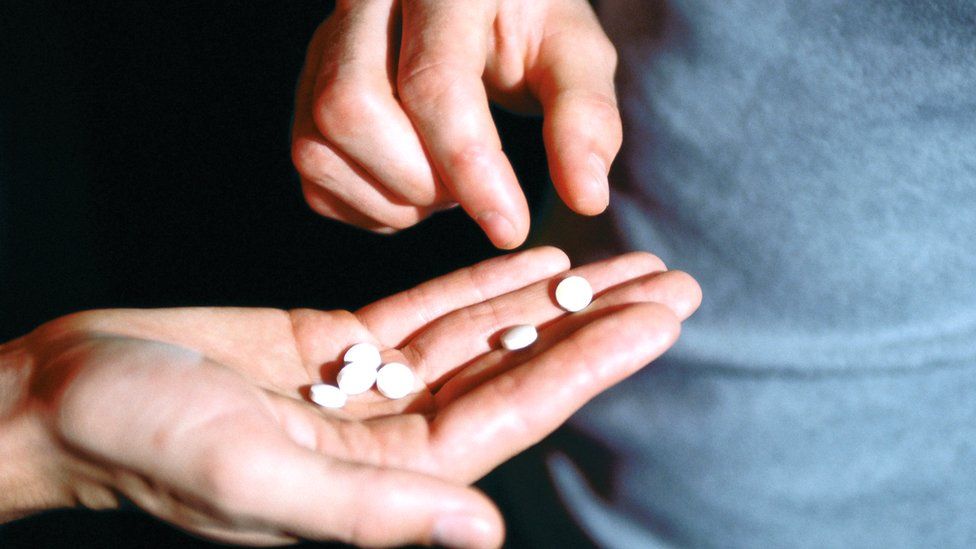
On the other hand, MDMA-assisted therapy is a therapeutic approach that utilizes MDMA as a tool within a structured therapeutic context. This form of therapy involves administering lower doses of MDMA alongside psychotherapy sessions to address mental health conditions such as PTSD, depression, and anxiety. MDMA-assisted therapy aims to facilitate emotional healing, enhance self-reflection, and promote long-lasting positive outcomes. The controlled environment and integration of therapy distinguish MDMA-assisted therapy from recreational use.
Conclusion: Navigating the Future of MDMA-Assisted Therapy
The therapeutic potential of MDMA is a topic of growing interest and research within the field of mental health. While
MDMA’s effects on the brain and its impact on mental health are still being studied, preliminary findings suggest that
MDMA-assisted therapy holds promise for individuals struggling with conditions such as PTSD, depression, and anxiety.
However, it is important to distinguish between recreational use and therapeutic application, as well as to address the
potential risks and challenges associated with MDMA use.
As research in this field continues to evolve, collaborative efforts between researchers, therapists, and regulatory
bodies are essential to ensure the safe and responsible integration of MDMA-assisted therapy into clinical practice. By navigating these challenges and further exploring the therapeutic potential of MDMA, we may unlock new avenues for mental health treatment and offer hope to individuals seeking relief from their suffering.
